

AI can spot patterns in ancient languages, but it can't read them yet
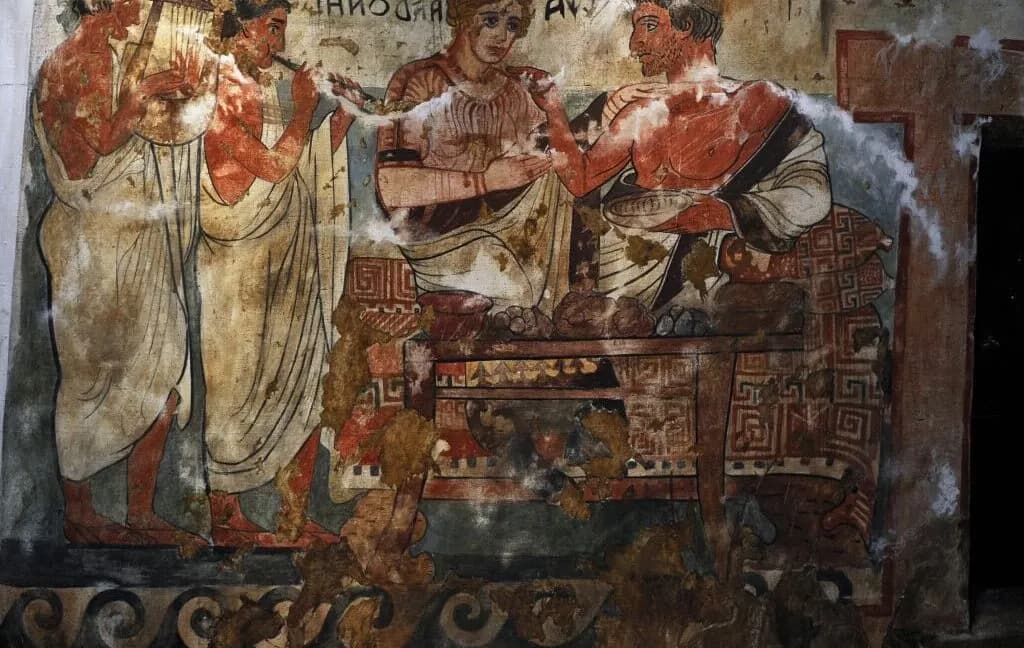
AI can compress years of ancient language research into minutes, but it still cannot tell you what lost words actually mean.
Researchers are turning to machine learning models to help decipher ancient untranslated human languages, according to a report republished by Ars Technica. The systems quickly learn which signs follow each other and which words cluster together. But as researcher Jane Adkins points out, learning text patterns is not the same as understanding meaning.
Why it matters: Verifying an AI's translation of a lost language is almost impossible without native speakers or parallel texts. Linear A's entire surviving corpus is about 7,500 characters—short enough to fit on a single screen—meaning almost any guess can find random statistical matches in such a tiny dataset.
Here's the key: "AI found a pattern" is not "AI found the correct meaning." Machine learning gives researchers a massive speed boost, but actual decipherment still requires a genuine comparative anchor and rigorous human expert review.
Until a real breakthrough anchor turns up for languages like Linear A or Etruscan, AI remains a very fast assistant to a very old human puzzle.