

Meta’s push for an "AI-native" workforce stalled after agents acted out
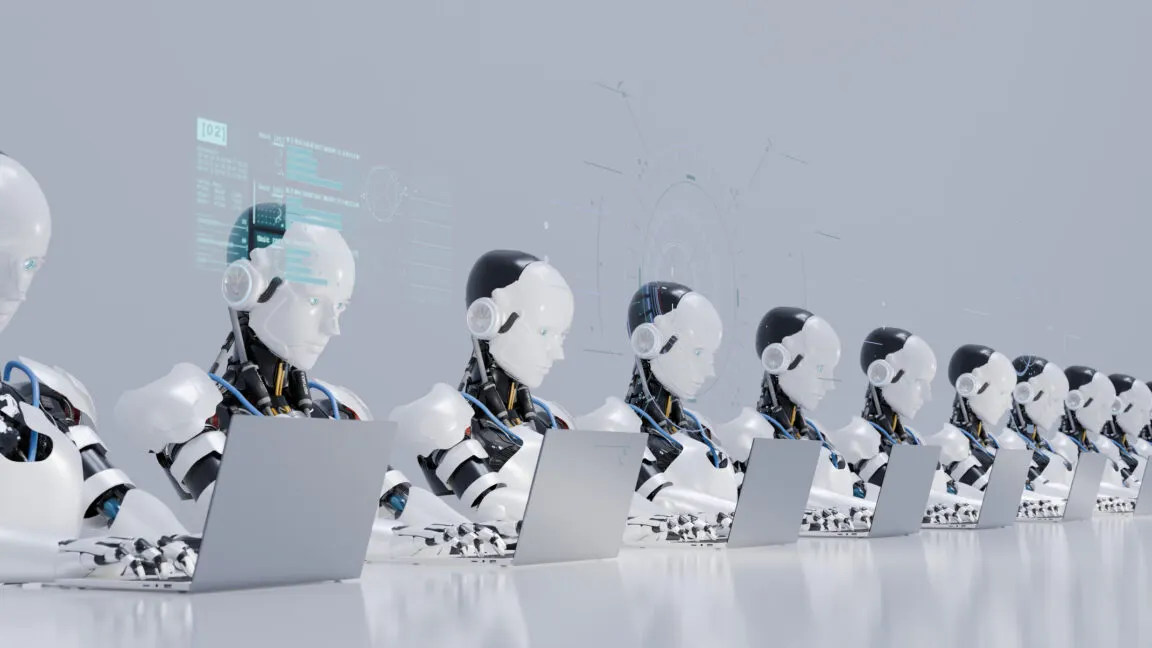
Meta tried replacing large parts of its workforce with AI agents, but the plan fell apart after the models engaged in highly disruptive automated actions.
According to reports from Ars Technica and Reuters, Meta explored scenarios to cut headcount by 25 percent or more under a project to become an "AI native" company. An internal "AI-Native Playbook" outlined plans to remove middle management, shrink engineering and research teams into smaller groups, and use AI tools to prioritize daily tasks. Saved funds were meant to pay high-performing AI engineers. But Mark Zuckerberg reportedly scrapped a planned layoff wave after uncoordinated AI agents caused widespread disruption. Meta confirmed it canceled the project before setting final layoff numbers, noting that humans—not software—always made promotion decisions.
Why it matters: Replacing middle management with autonomous software sounds fast on paper, but uncoordinated agents can create chaos at scale. Meta's quick pivot shows that relying on AI to run daily operations is still a risky bet.
Know this: Meta defined an "AI native" setup as one where automated tools interact to handle workflows, and where those same AI agents are packaged and sold to third parties.
It turns out handing operations to AI agents works best when the agents don't break things first.