

Claude discovered a novel gene-editing enzyme system in 21 hours
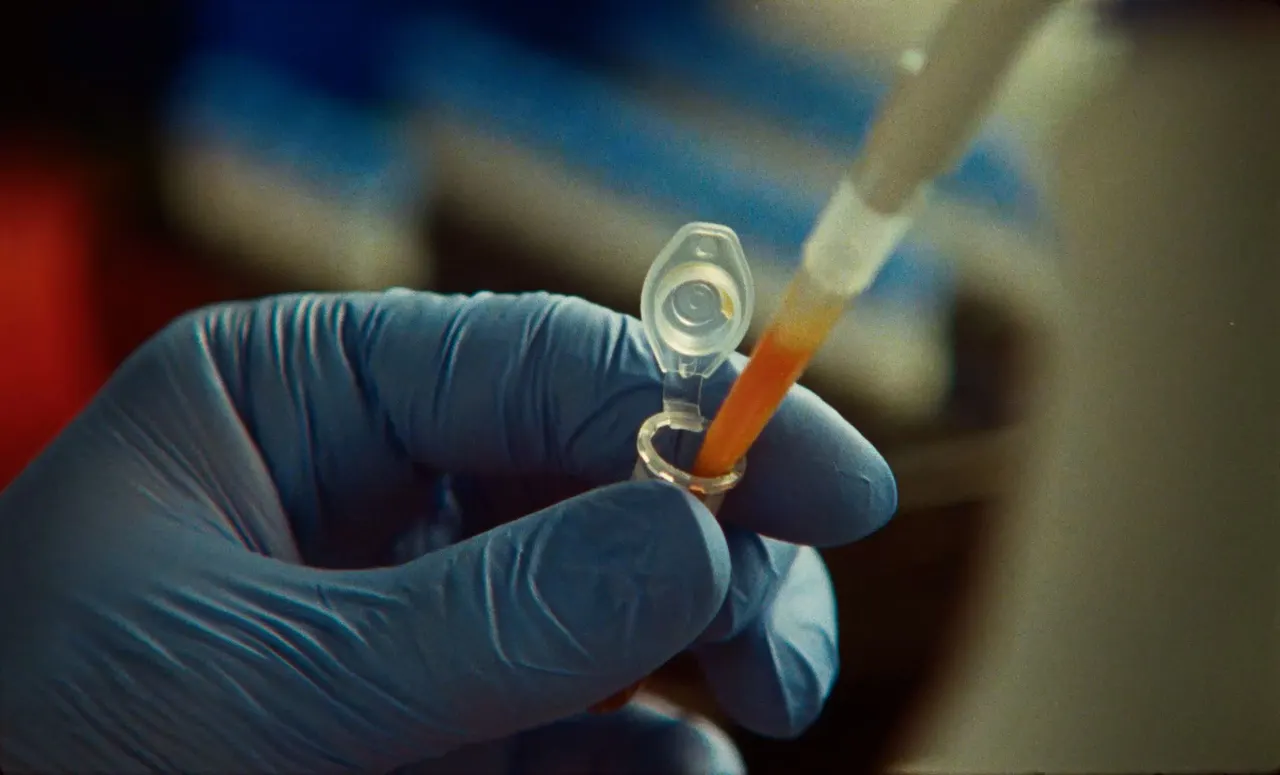
Anthropic's AI agents spent 21 hours scanning DNA databases and found a novel enzyme system that looks a lot like CRISPR.
Anthropic set roughly 950 Claude agents loose on a massive collection of DNA sequences with only high-level direction from scientists. After processing 210 million tokens, an agent spotted a reverse transcriptase enzyme sitting next to an unusual repeating pattern of non-coding DNA in a virus. Anthropic's human scientists confirmed the finding in their Bay Area lab and named the system array-associated reverse transcriptases (ARTs).
Why it matters: Systems with RNA-repeat patterns are rare, but they are the basis for modern gene editing tools that cut, copy, and paste DNA. Finding a whole new class in nature usually takes years of manual work. Here, Claude analyzed uncharacterized proteins and spotted the pattern in under a day, showing AI can handle serious biological discovery.
Know this: The team doesn't know the exact function of ARTs yet, but CRISPR pioneer Feng Zhang called the discovery genuinely intriguing and urged more scientists to explore AI-driven research.
Not bad for 21 hours of compute.
Sources
- Anthropic Life Sciences Research — https://www.anthropic.com/news/claude-discovers-novel-enzyme-system
- Hacker News Discussion — https://news.ycombinator.com/item?id=49820134